
Where to Live in Madeira? Choosing a Home and Its Microclimate
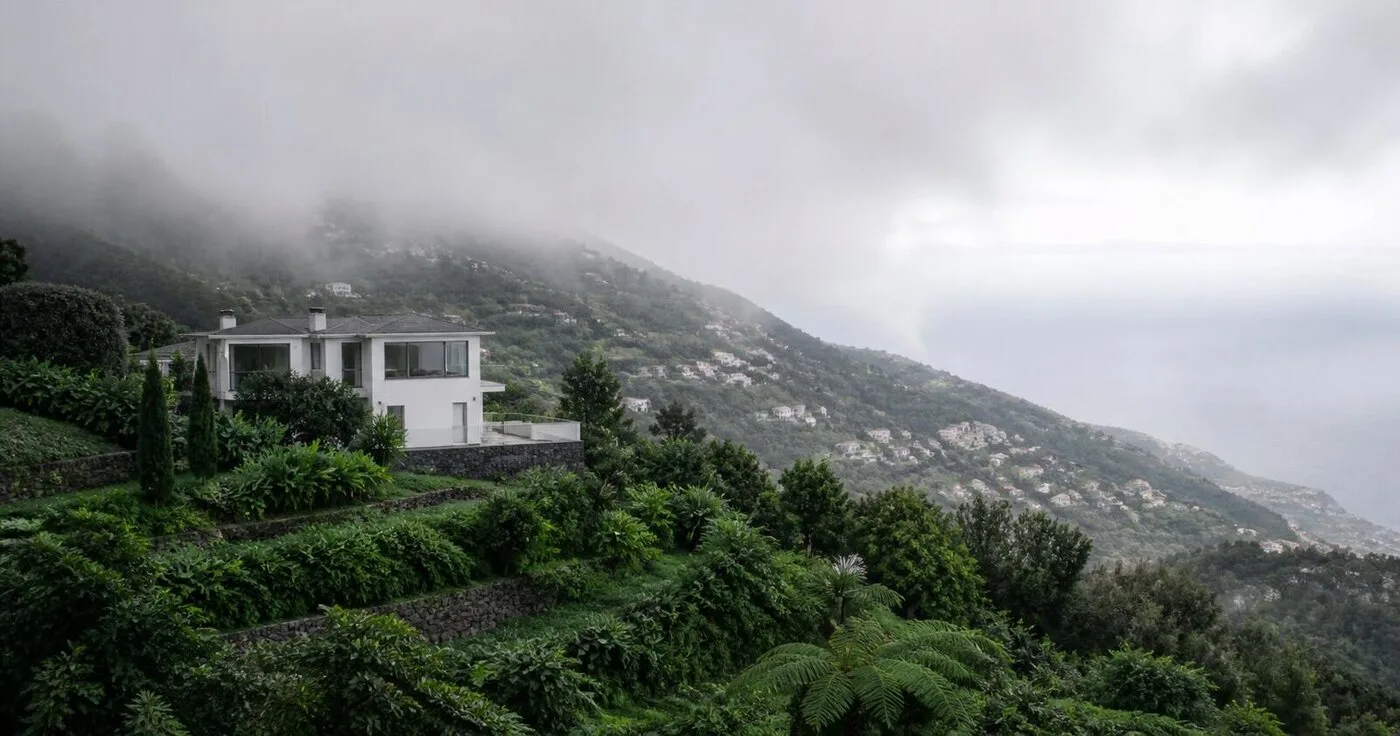
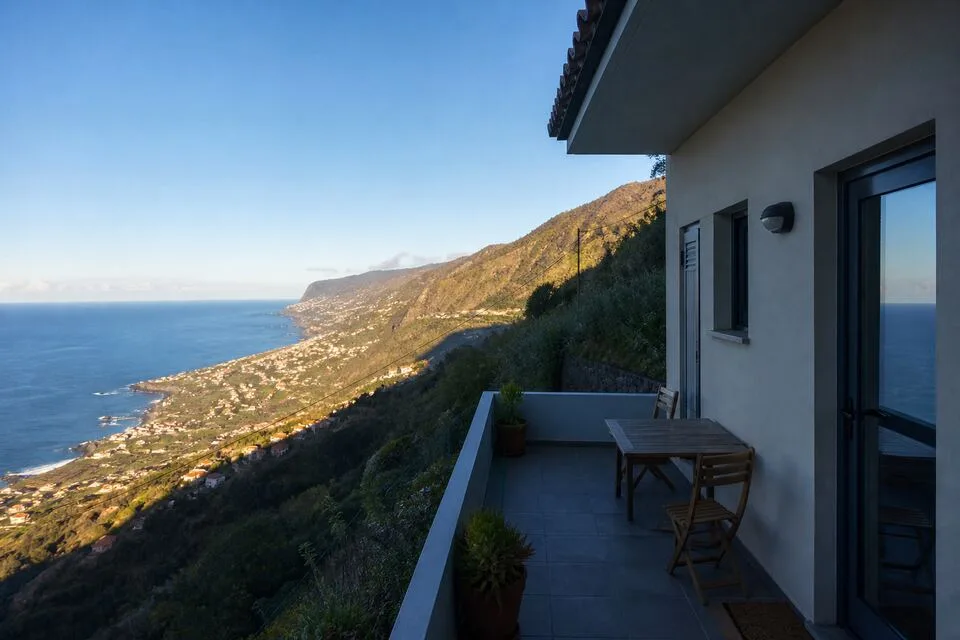
One of the costliest mistakes a buyer can make is choosing a property from photos or simply by a desired location. Most people start looking for a home in Madeira by scrolling Idealista and saving the listings with the best views and largest windows. What they may not realise is that many attractive homes sit higher on the slopes, in areas that spend long periods inside mountain cloud.
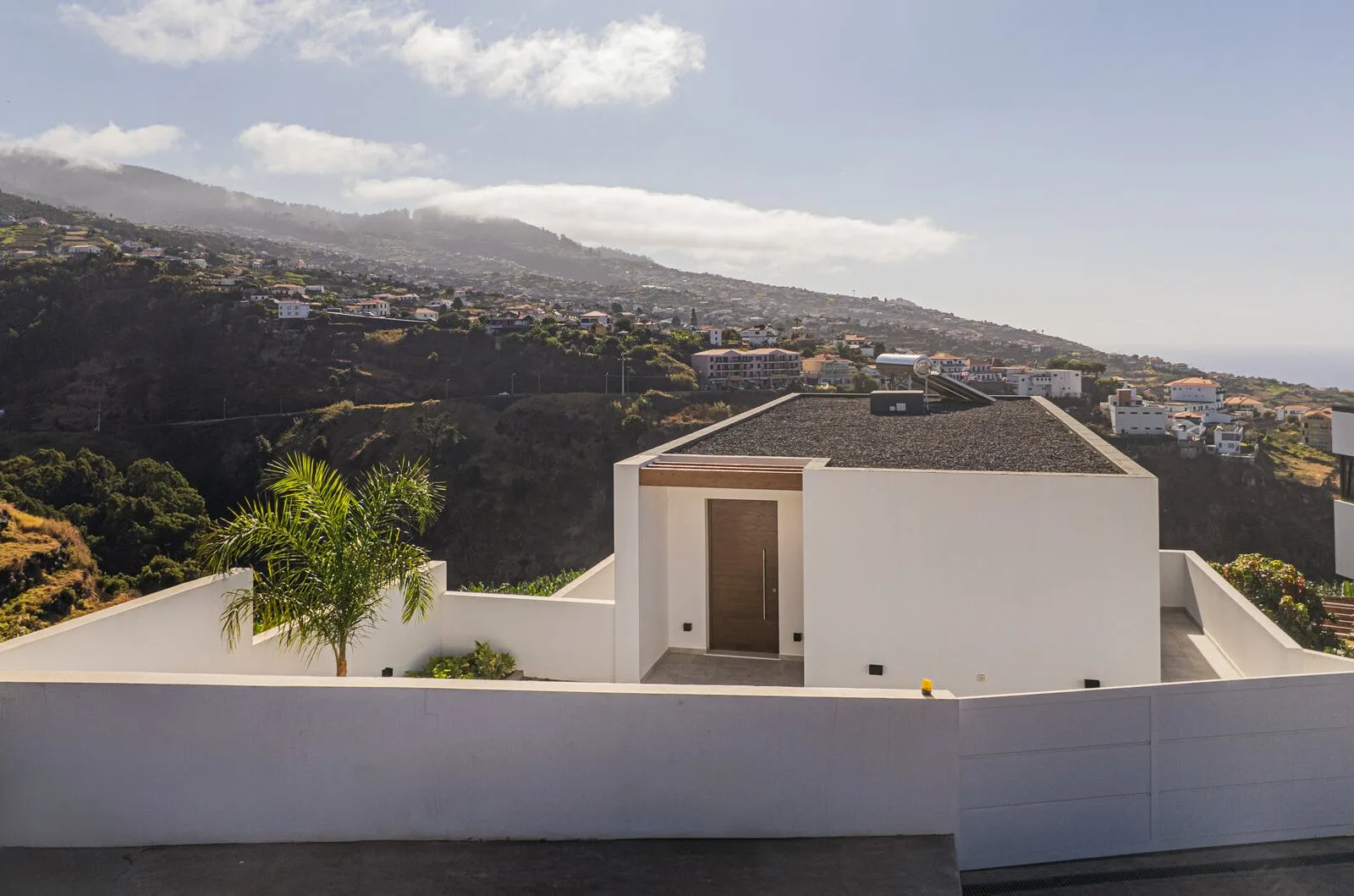
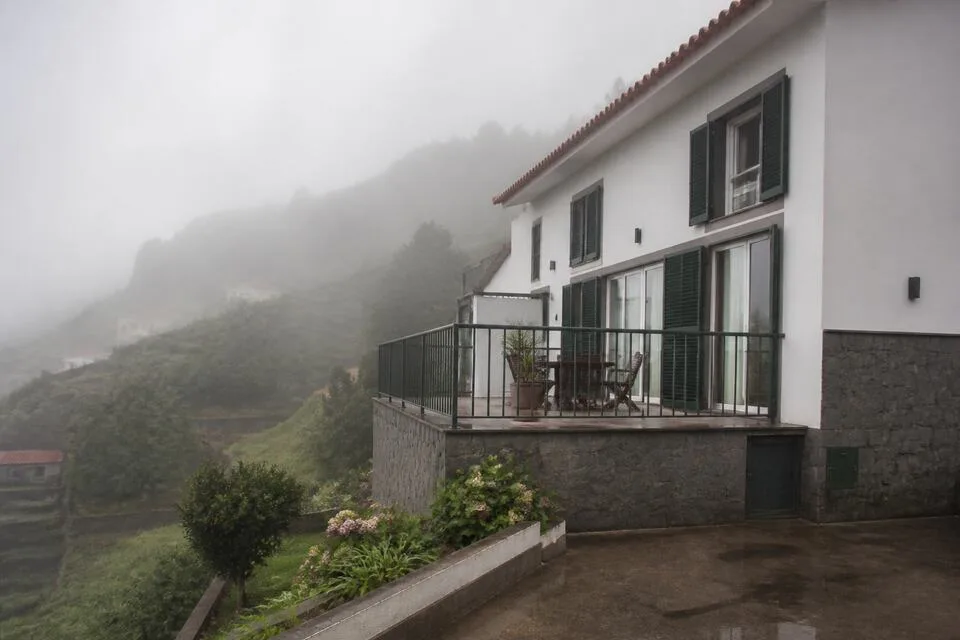
Weather in Madeira can shift radically after a climb of just a few hundred metres. Within the same town, it may be dry and sunny by the sea while a house further up the mountain sits in cold mist and shade.
Listings show attractive views, but they hide the microclimate. As a buyer, you must check four critical factors: exact altitude, slope orientation, wind exposure, and how fast the house dries after rain.
Where It Is Most Often Damp and Cloudy in Madeira
The south and southwest coasts are generally drier and sunnier, especially at lower elevations. Buyers prioritising sunshine often start with the lower parts of Funchal and Câmara de Lobos, Ribeira Brava, Ponta do Sol and Calheta. Ponta do Sol is known for receiving the most hours of sunshine on the island, but altitude still matters within every municipality.
The north coast and the mountains are generally cooler, wetter and cloudier. São Vicente, Seixal, Porto Moniz and Santana, as well as higher areas around Paul da Serra, require closer inspection. Bica da Cana is an extreme highland example: at 1,580 metres, a scientific study cites 235 fog days per year.
Prevailing Atlantic trade winds often arrive from the northeast. As moist air rises over Madeira’s northern slopes, it cools and forms a frequent cloud belt around 800–1,600 metres. This is why buyers seeking a dry, sunny location often begin below 800 metres on the south or southwest side. Even so, dividing areas into “good” and “bad” is not useful: sunshine and humidity can differ even between neighbouring houses because of altitude, terrain, wind exposure and mountain shadow.
How to Inspect a House in Madeira Properly:
- Site & Microclimate Analysis: Verify the exact elevation above sea level (AMSL) relative to the local cloud line, inspect the plot orientation and solar exposure for major living areas, and check whether adjacent ridges cut off direct winter sunlight early. Ask neighbours about the annual frequency of lingering low cloud and fog (capacete).
- Building inspection: The rear wall of a house built into the slope needs flawless waterproofing. Check walls in contact with the ground, roof condition, gutters and drainage, bathroom and kitchen extraction, window glazing, and whether the rooms can be heated and ventilated effectively.
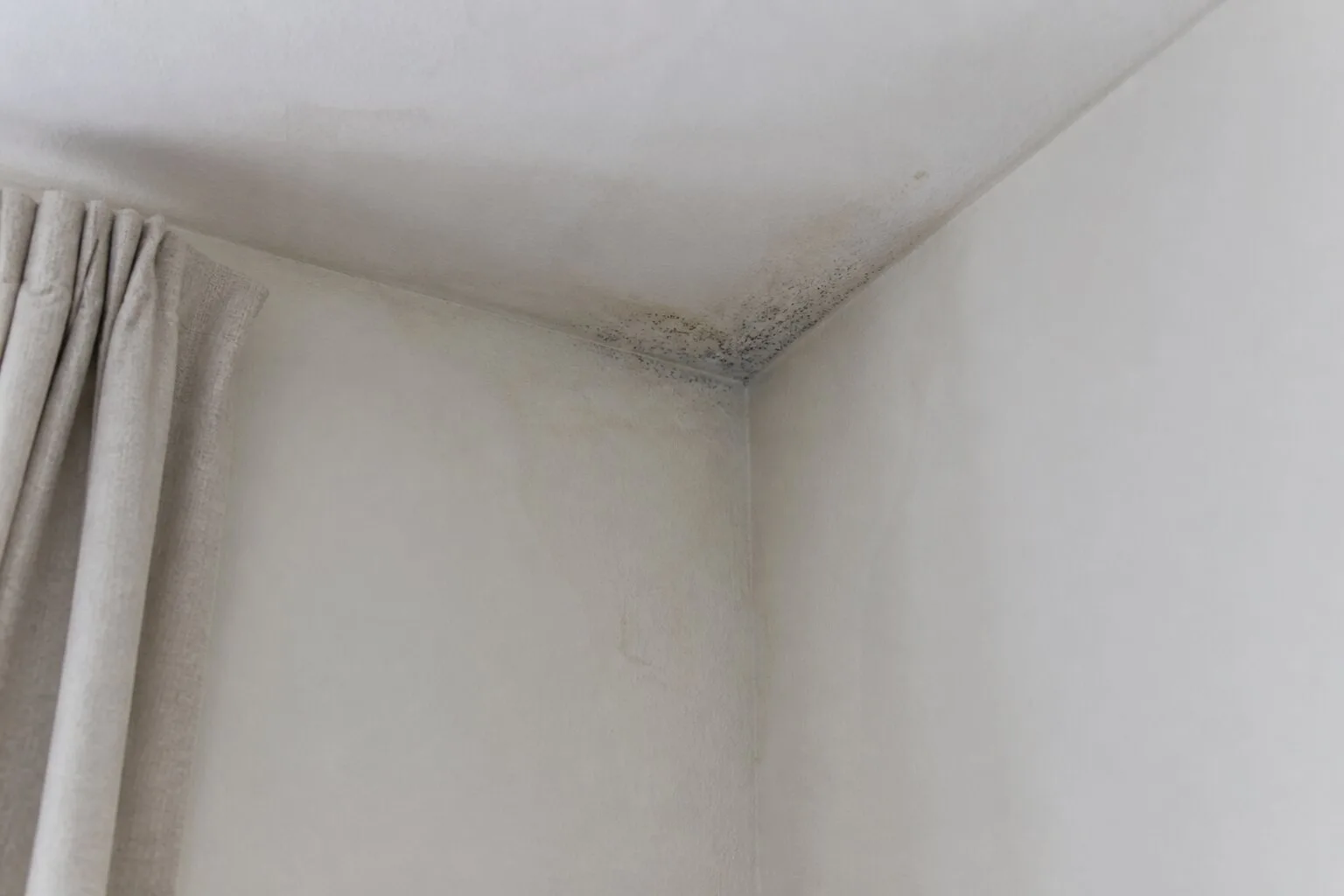
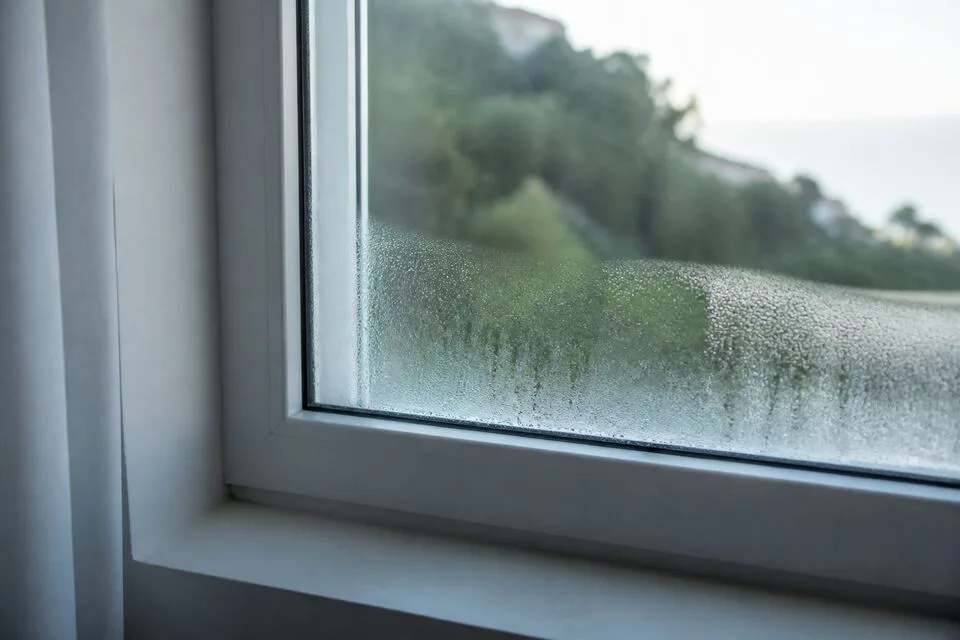
- Interior inspection: Visit early in the morning or after rain, having asked for the house not to be aired before you arrive. Look for condensation inside windows, bedding or towels that feel damp, wardrobe odours, freshly painted patches, and marks around window reveals, upper corners, walls behind furniture and the attic.
- Expert assessment: Any suspected damp should be assessed by an independent specialist: they will check the roof, ventilation and drainage and identify the true cause of the damp.
Considering a specific property? Our experts can carry out a professional inspection before you buy.
Contact us
Damp Puts Rental Income and Resale at Risk
Guests expect quiet, dry and comfortable rooms. A humming dehumidifier and damp bed linen quickly undermine that experience. Damp that is invisible in photographs can lead to negative reviews, guest refunds and cancelled bookings.
Damp also affects resale value: experienced buyers and valuers always take it into account, and it can reduce a property’s value. That is why choosing a property carefully, with its microclimate in mind, is not only about comfort, but also about future expenses, guest reviews and rental risks.
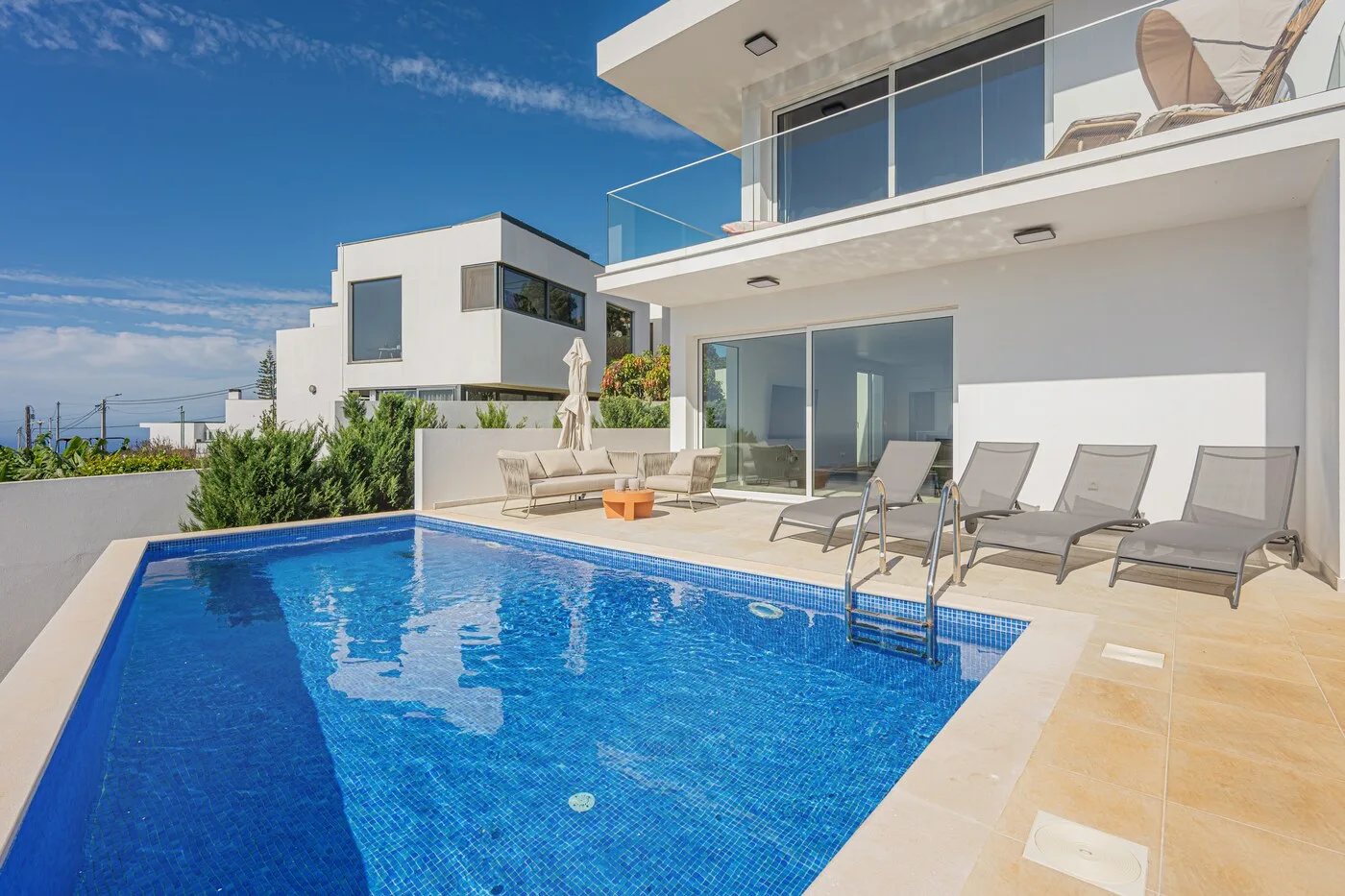
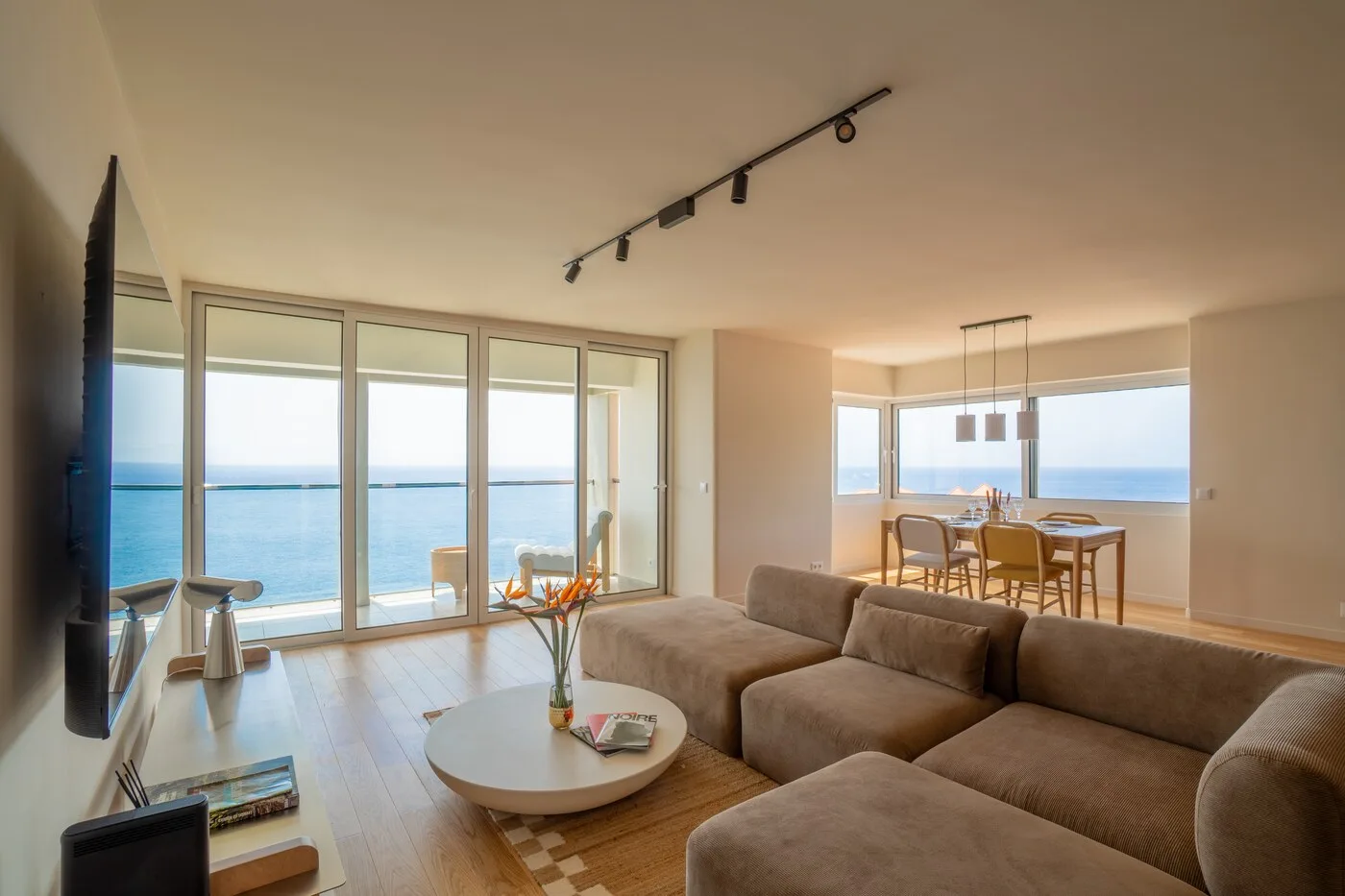
We understand every nuance of choosing the right property. Thanks to that expertise and careful management, our properties receive only positive reviews and maintain occupancy of 79%+.
Property Management in MadeiraArticle sources
Climate data, humidity guidance and materials on property letting and valuation.