
Can foreigners buy property in Madeira?
Yes. EU and non-EU citizens can buy property in Madeira as residents or non-residents, with cash or a Portuguese mortgage. You do not need a Portuguese residence permit to own a home on the island. The first practical requirement is a Portuguese tax number, known as a NIF.

Who can buy property in Madeira?
Foreign nationals, including buyers from the UK, US, Canada and Ukraine, can purchase Madeira property in their own name or through a company. A NIF is required for the transaction. Mortgage buyers will also need bank approval and evidence of the source of funds.
Residence and tax residency are separate from the property purchase. An owner can use the property, sell it, leave it to heirs or rent it out.
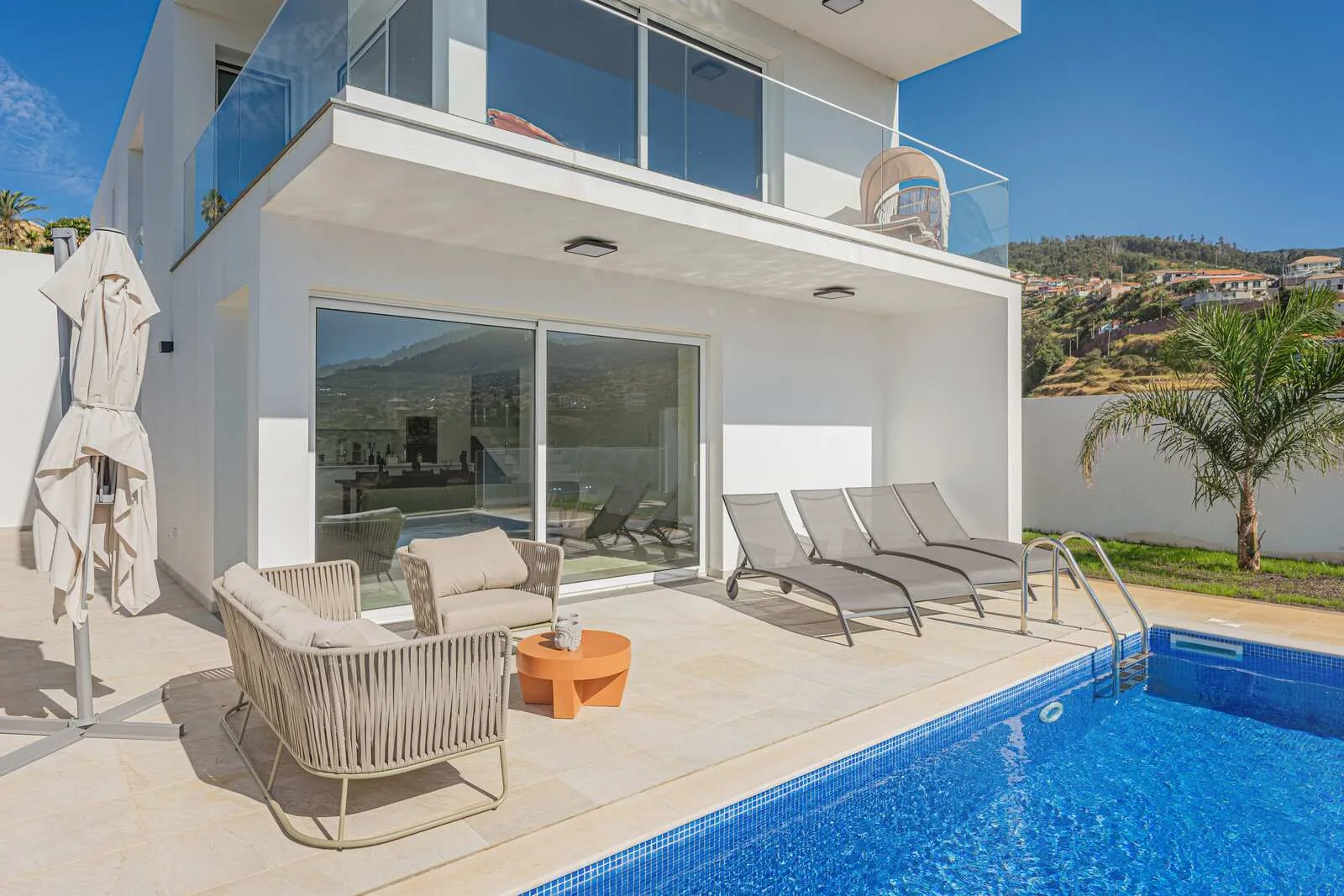
If you have questions about buying property in Madeira, talk to us.
Book a free consultationCan non-residents get a mortgage in Madeira?
Yes. Portuguese banks offer mortgages to non-residents. They assess income, age, existing debt, credit history and the property value. Banks typically finance 70–80% of the purchase, so buyers should plan for a 20–30% deposit plus transaction costs.
In our recent cases, rates for non-residents have typically been around 3.4–4.2%. The exact terms depend on the buyer and the property. We prepare the documentation and submit applications to several banks so the offers can be compared.
A Portuguese bank account makes mortgage payments, taxes and utilities easier to manage. When opening an account, the bank verifies identity, address, income and source of funds, so it helps to prepare the documents in advance.
Want to estimate the potential return on a purchase?Try our investment calculator
What a €410,000 apartment purchase in Madeira looks like
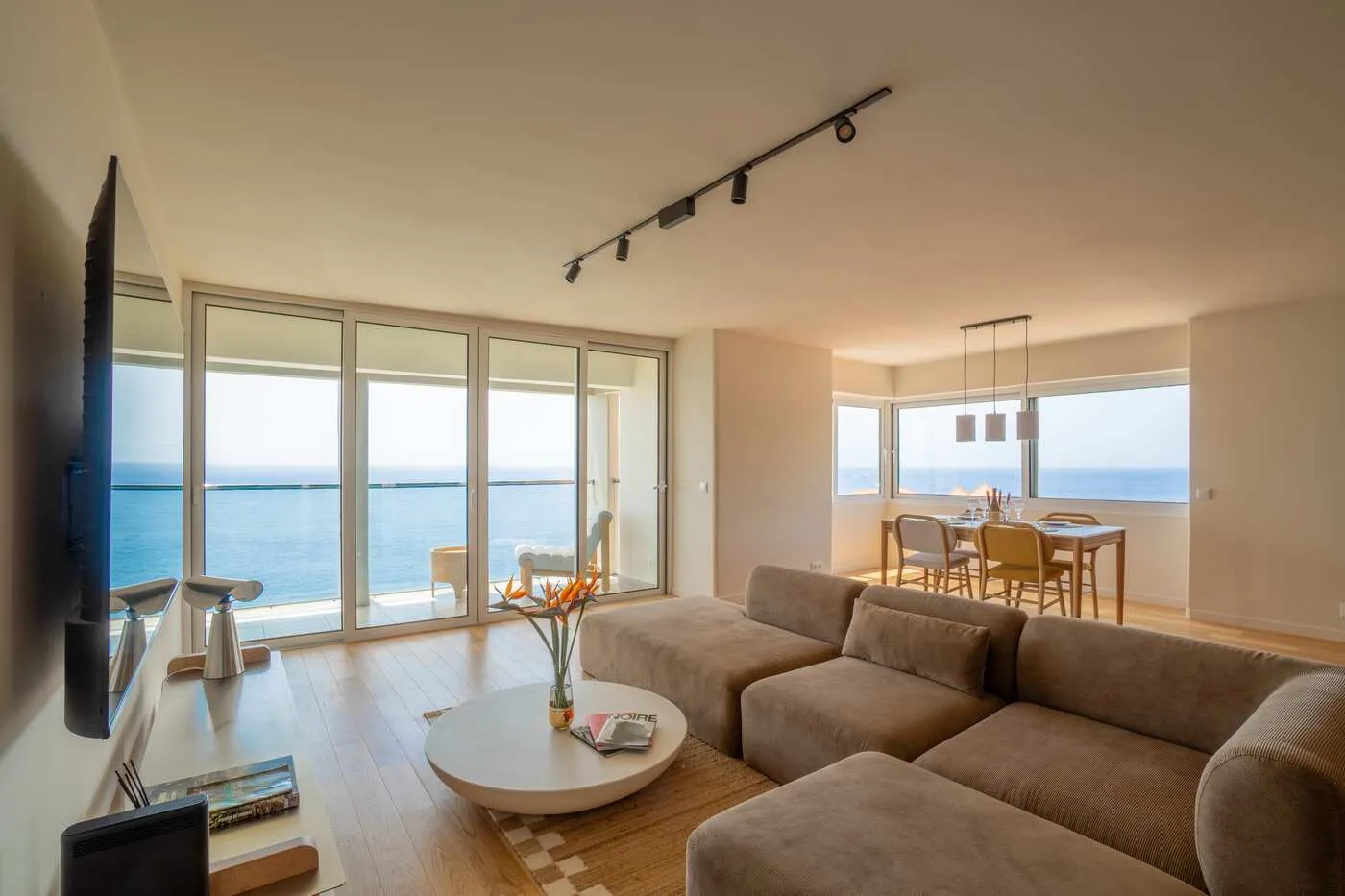
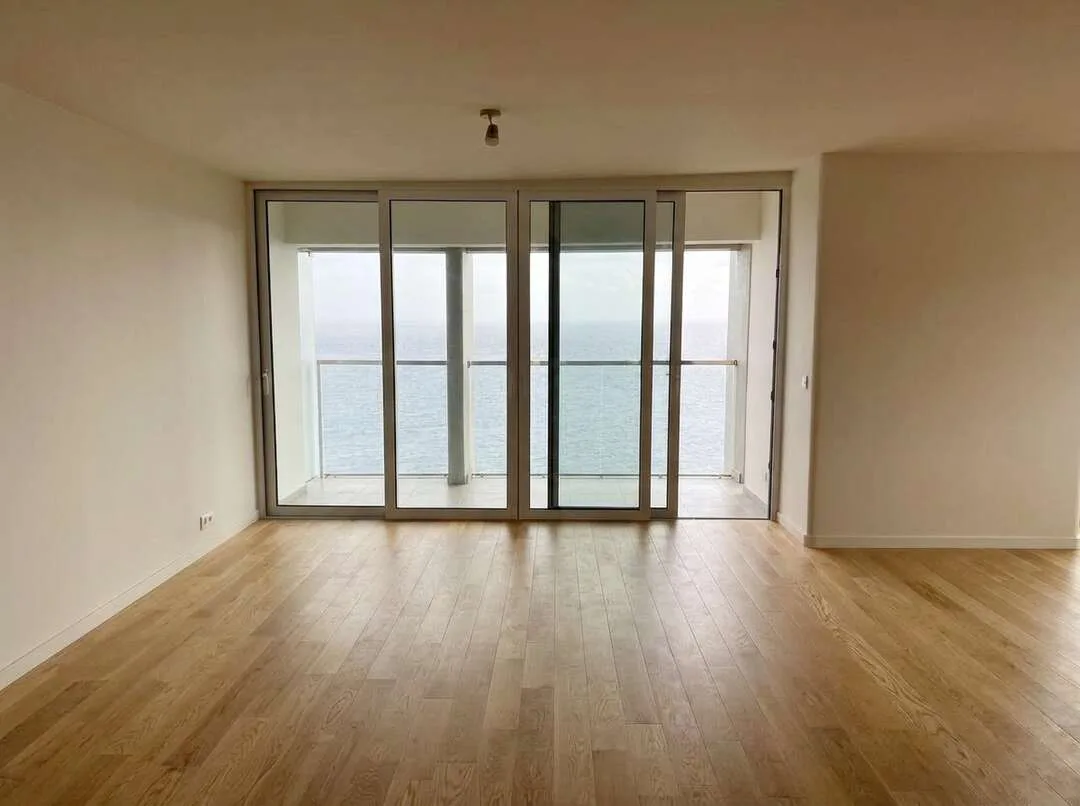 Before
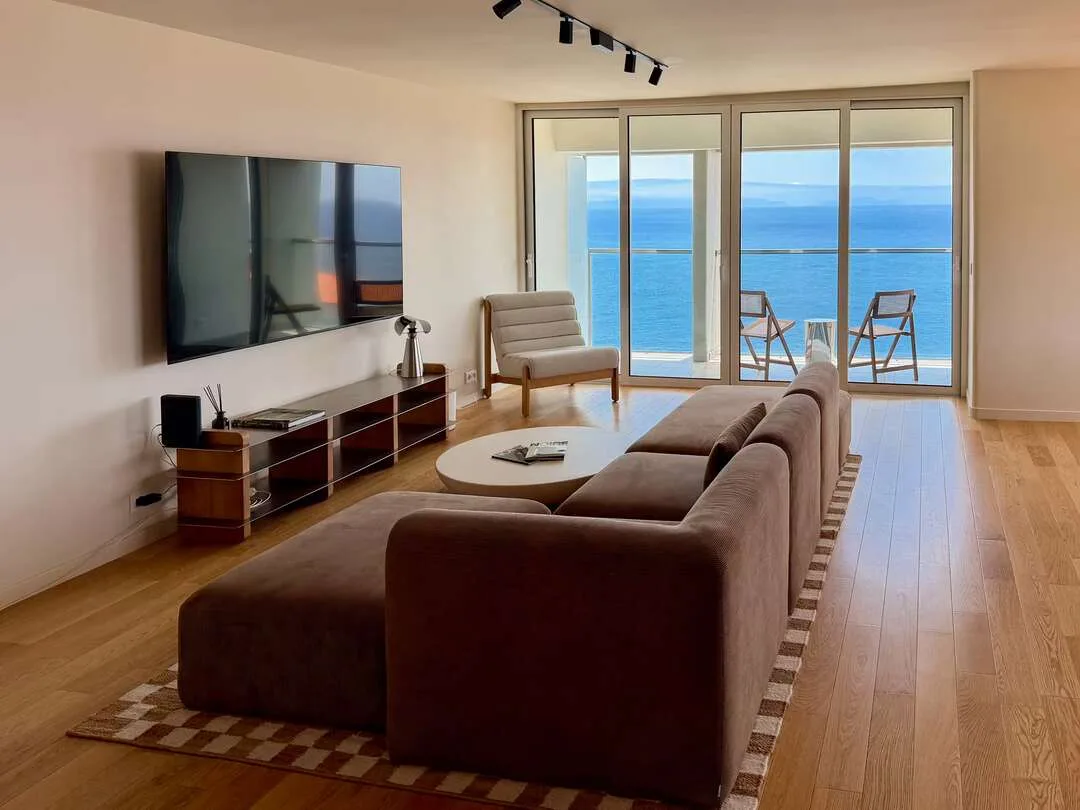 After
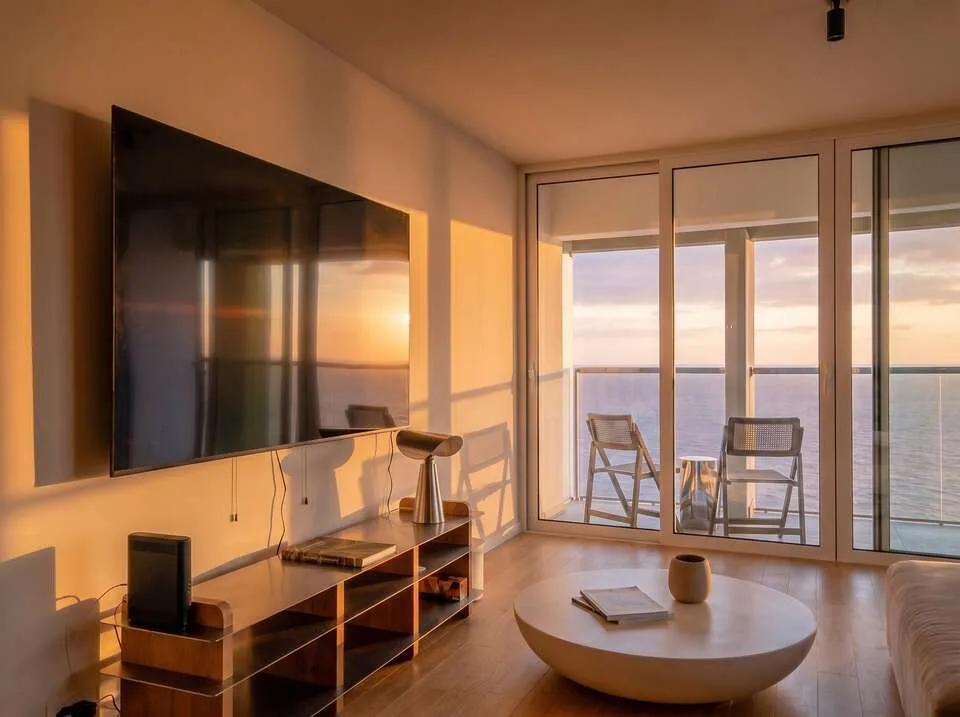
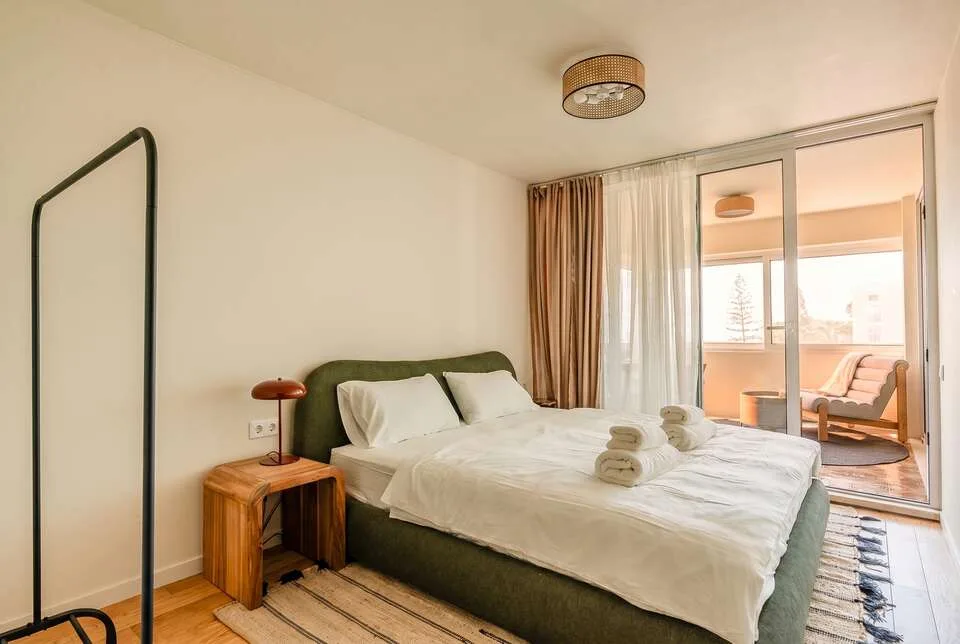
AfterA real Island Key property
A two-bedroom apartment in Caniço
This is an apartment purchased for €410,000 in 2025 with a 30% deposit and a 30-year mortgage at approximately 3.5%.
Today, the average nightly rate is above €200, average occupancy exceeds 76%, and the apartment generates around €46,000 in gross annual revenue.
- €410,000Purchase price
- €200+Average nightly rate
- 76%+Average occupancy
- €46k+Gross annual revenue
Step by step
How to buy property in Madeira: the process
Define what the property needs to do
Set your objective, budget, preferred area, property type, plans for personal use and expected return. Budget separately for the deposit, taxes, furnishing and a contingency.
Get a NIF and arrange finance
Obtain your NIF and prepare your passport, proof of address, income, credit history and source of funds. If you need a mortgage, secure an initial bank assessment before making an offer.
Need help with a NIF and mortgage? Message us on WhatsAppSearch both the open and local markets
Look beyond public listings to local contacts and direct conversations with owners. We work across both markets and shortlist properties around your objectives.
Assess the property as a home and an income asset
Check sunlight, elevation, humidity, access, parking, road gradient, noise, drainage, retaining walls and the risk of a future development blocking the view. For an investment property, assess a realistic nightly rate, occupancy, running costs and whether Alojamento Local can be registered at that address.
Guide to obtaining an Alojamento Local licenceCommission independent legal due diligence
Your lawyer should verify:
- legal title and any charges or encumbrances;
- whether the actual floor area and layout match the registered records, Caderneta Predial and tax records;
- the usage licence, energy certificate, plans and condominium documents;
- the legality of any pool, annexes or extensions.
Make an offer and agree the CPCV
The CPCV, or Contrato-Promessa de Compra e Venda, is the promissory purchase and sale agreement. Record the price, what is included, the completion date, finance and due diligence conditions, and the deposit in writing. The deposit is commonly around 10%.
Complete the mortgage and valuation
The bank values the property, reviews the documents, prepares the loan agreement and arranges insurance. The loan is calculated against the lower of the purchase price or the bank valuation.
Pay the taxes and complete the deed
Pay IMT and Stamp Duty before completion. When the final deed is signed, you transfer the balance and become the owner. The property and mortgage are then registered. A properly drafted power of attorney can allow you to complete remotely.
Prepare the property for living or rental
Once you have the keys, transfer utilities and insurance, finish any works, and furnish and equip the home. For short-term rental, complete the AL registration and prepare photography, the listing and pricing. If you live abroad, a local team can manage the property.
Compare short-term and long-term rental in Madeira
Portuguese property taxes: what buyers pay in Madeira
- IMT: property transfer tax. From 1% to 7.5% of the property value; residential property purchased by a non-resident is taxed at 7.5%.
- Stamp Duty. 0.8% of the purchase value; with a mortgage, allow approximately another 0.6% of the loan amount.
- Notary, registration and bank valuation. Approximately €700 for completion and registration; mortgage buyers should also allow about €300–500 for the bank valuation.
- IMI: annual municipal property tax. Approximately 0.3–0.45% a year, calculated on the property's taxable value, known as VPT. Current IMI rates
- AIMI: additional tax on high-value property and portfolios. Approximately 0.7–1.5% on VPT above €600,000 for one owner or €1,200,000 under joint taxation.
Free property-buying support in Madeira
Our property search and buying support are free: the seller pays the real estate agency commission.
Free and without obligation
Frequently asked questions
Can a US, UK, Canadian or Ukrainian citizen buy a home in Madeira?
Yes. EU and non-EU citizens can own Madeira property as residents or non-residents. The purchase starts with a NIF and standard identity and source-of-funds checks.
Do I need to live in Portugal before buying?
No. You can buy as a non-resident. If you later decide to live in Portugal, residence and tax residency are handled separately.
Do I have to open a Portuguese bank account?
It is not a condition of ownership, but an account is usually needed for a Portuguese mortgage and makes local taxes, utilities, insurance and direct debits much easier to manage.
How much cash does a non-resident buyer need?
With a mortgage, a sensible starting point is 20–30% of the price plus IMT, Stamp Duty, notary, registration and bank costs, as well as a budget to prepare the property. The bank valuation can change the final cash requirement.
Can I rent out a Madeira property through Airbnb?
Generally yes, provided the property and its exact location meet the requirements and the Alojamento Local registration is complete. If short-term rental income is part of your plan, check this before making an offer.
Can I buy property in Madeira remotely?
Yes. A properly drafted power of attorney can allow a representative to complete the purchase. If you use a mortgage, it must also cover the finance documents required by the bank and notary.
This article provides general information and is not a substitute for professional advice. Before proceeding, have the property and your personal circumstances reviewed by qualified advisers in Portugal.